Your skin, decoded.
Shop

Acne Scars

Acne scars are a lasting reminder of past breakouts—but they don't have to be permanent. At Skinfolio, we offer advanced treatments that can significantly improve the appearance of scarring, restoring smoother texture and more even skin tone.
Acne Scars — condition
Acne Scars — in clinic
Understanding it

A closer look at acne scars.

Understanding Acne Scars

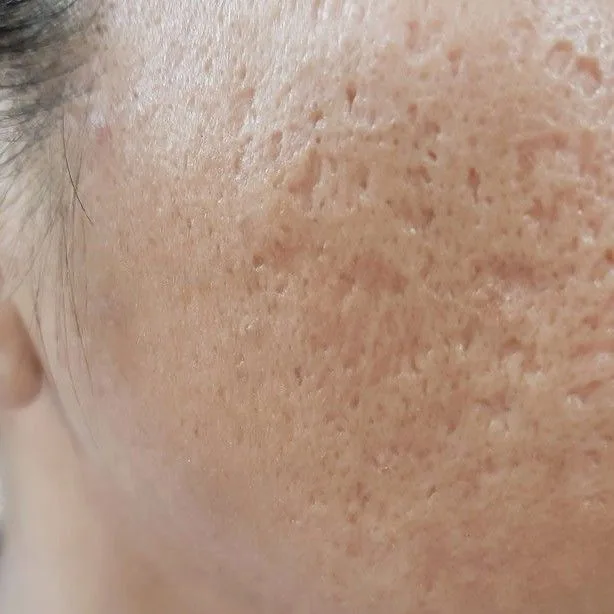
Acne scars are permanent changes in skin texture that occur after severe acne lesions heal. They develop when inflamed blemishes penetrate deeply into the skin, damaging the surrounding tissue. As the skin attempts to repair itself, it can produce too much collagen, leading to raised scars, or too little, resulting in depressed scars. Understanding the different types is crucial for effective treatment planning, as each responds differently to various modalities.

Types of Acne Scars

Ice pick scars are narrow, deep punctures that extend into the dermis, resembling small holes. These are often the most challenging due to their depth. Boxcar scars are wider depressions with defined, angular edges, similar to chickenpox scars. Rolling scars have sloping, wave-like edges, creating an uneven, undulating texture. They result from fibrous bands pulling the skin down. Hypertrophic scars are raised, firm scars that stay within the boundary of the original wound.

Distinguishing Scars from Post-Acne Marks

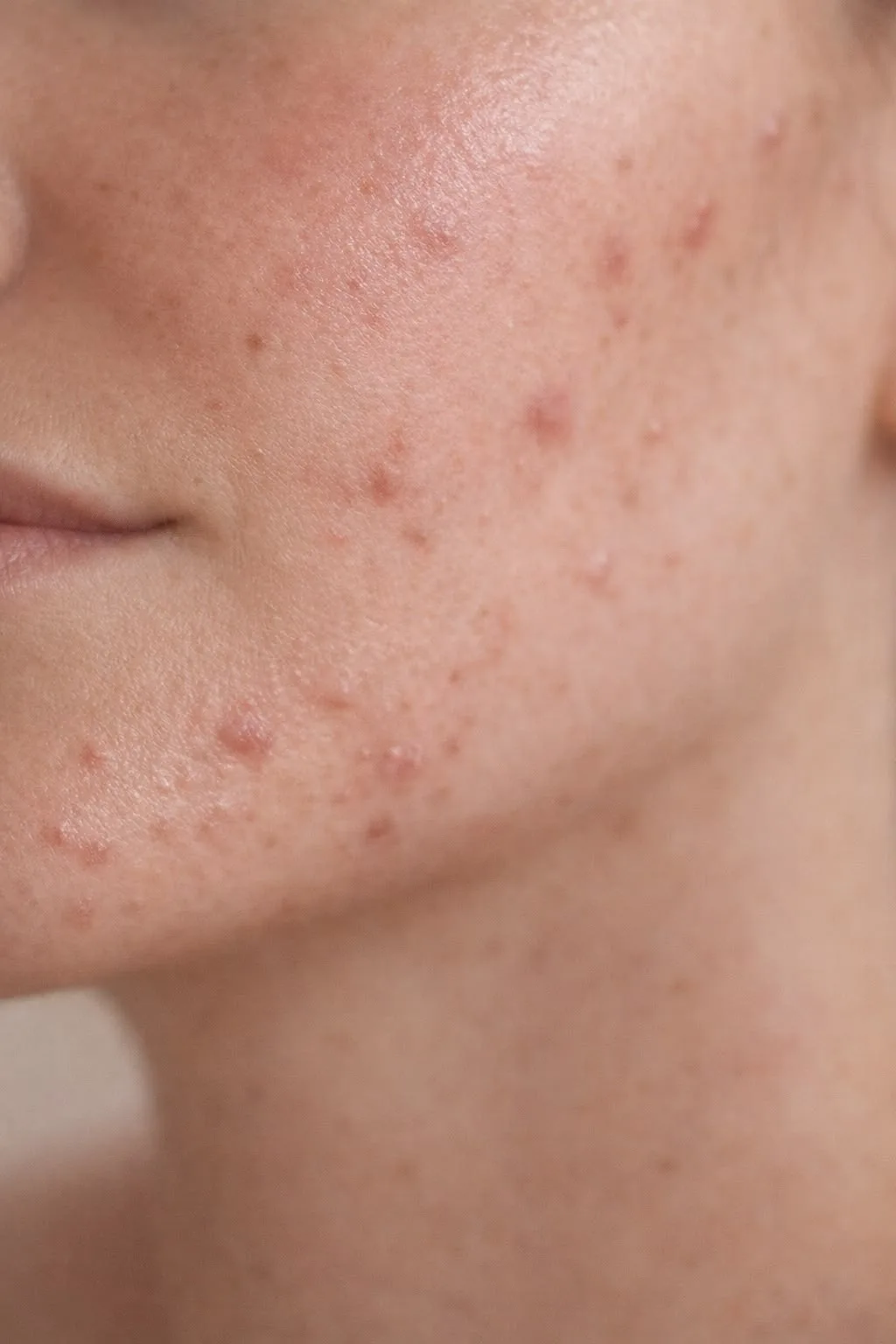
Not all post-acne marks are true scars. Post-inflammatory hyperpigmentation (PIH) appears as flat, brown or tan spots, caused by excess melanin. PIH is common in darker skin tones and typically fades with time and proper care. Post-inflammatory erythema (PIE) presents as flat, pink or red marks that blanch when pressed. These indicate damaged or dilated blood vessels and are more common in lighter skin tones. Both PIH and PIE respond to targeted treatments but are not textural scars.

The Skinfolio Treatment Approach

At Skinfolio, we employ a comprehensive approach to acne scar treatment, recognizing that different scar types require tailored solutions. Our strategy often involves combining various modalities to address the complex nature of scars, including their depth, texture, and associated discolouration. We focus on stimulating the skin's natural collagen production and remodelling damaged tissue to achieve significant, lasting improvement. Each treatment plan is customized to individual needs and scar characteristics.

Combination Protocols for Optimal Results

The most effective approach to acne scarring often combines multiple modalities to target various scar characteristics. For instance, a protocol might begin with a series of RF Microneedling to build foundational collagen and improve overall texture. This could be followed by a fractional laser like Reface to refine skin surface and address any lingering pigmentation. For very severe scarring, a more intensive treatment such as Rebuild might be incorporated earlier in the process to address the deepest textural concerns, before refining with less aggressive methods. This multi-stage approach ensures comprehensive improvement.

Realistic Expectations and Treatment Progression

Acne scar treatment requires patience and commitment. While significant improvement is achievable for most scar types, complete elimination isn't always possible, especially for very deep ice pick scars. Most clients can expect 50-80% improvement with a full course of treatment. Results develop gradually as collagen remodels over 3-6 months post-treatment. Initial healing involves mild redness and possibly pinpoint scabbing. Progressive improvement is seen in months 1-3, with optimal results emerging by months 3-6. Multiple sessions spaced appropriately are essential for optimal outcomes and long-term satisfaction.

Get the facts

Ice pick scars are narrow and deep punctures that look like small holes in the skin.

Boxcar scars are wide depressions with sharp edges that create a pitted or cratered appearance.

Rolling scars have sloping edges that create a wavy or uneven texture across the skin surface.

Hypertrophic scars are firm and raised areas that stay within the borders of the original blemish.

Available at
Take the next step

Treating acne scars

Your Skinfolio expert will assess your skin and design a personalised plan at your complimentary consult.

Treatment options

How we treat acne scars

FAQ

Everything you need to know.

Downtime varies depending on the specific treatment. For Microneedling, expect 1-2 days of redness. RF Microneedling and Reface typically involve 2-3 days of redness. Our Weekend Peel has minimal downtime. More intensive treatments like Rebuild may require 5-7 days of recovery with more noticeable peeling.

We prioritize your comfort. A topical numbing cream is applied before procedures like RF Microneedling and laser treatments. Most clients describe the sensation as tolerable warmth or mild prickling. Our team will ensure you are as comfortable as possible throughout your session.

It is generally recommended to get active acne under control before beginning scar treatments to prevent new scarring. Some treatments, like RF Microneedling, can offer benefits for both active acne and scarring. We will assess your skin during a consultation to determine the best approach.

The collagen remodelling stimulated by our treatments is permanent. However, it's crucial to maintain clear skin, as new acne breakouts can lead to new scarring. Our team can help you develop a comprehensive skincare plan to prevent future breakouts.

Many of our treatments, such as RF Microneedling and Microneedling, are safe and effective for a wide range of skin tones and types. Certain laser treatments may require careful consideration for darker skin tones to minimize risks. A thorough consultation is essential to determine the most appropriate and safest options for you.

Begin with a complimentary skin consult.

Rejuvenate your inbox

First dibs on promotions, new services and skin intel.

By subscribing you agree to receive marketing emails from Skinfolio.

Skinfolio
© 2026 Skinfolio. All rights reserved.Privacy Policy