Your skin, decoded.
Shop

Age Spots & Sun Damage

Sun damage is cumulative—and Vancouver's deceptively cloudy skies don't protect you from UV rays. Whether you're noticing new brown spots or dealing with years of accumulated sun damage, Skinfolio offers targeted treatments to restore clearer, more even-toned skin.
Age Spots & Sun Damage — condition
Age Spots & Sun Damage — in clinic
Understanding it

A closer look at age spots & sun damage.

Understanding Age Spots & Sun Damage

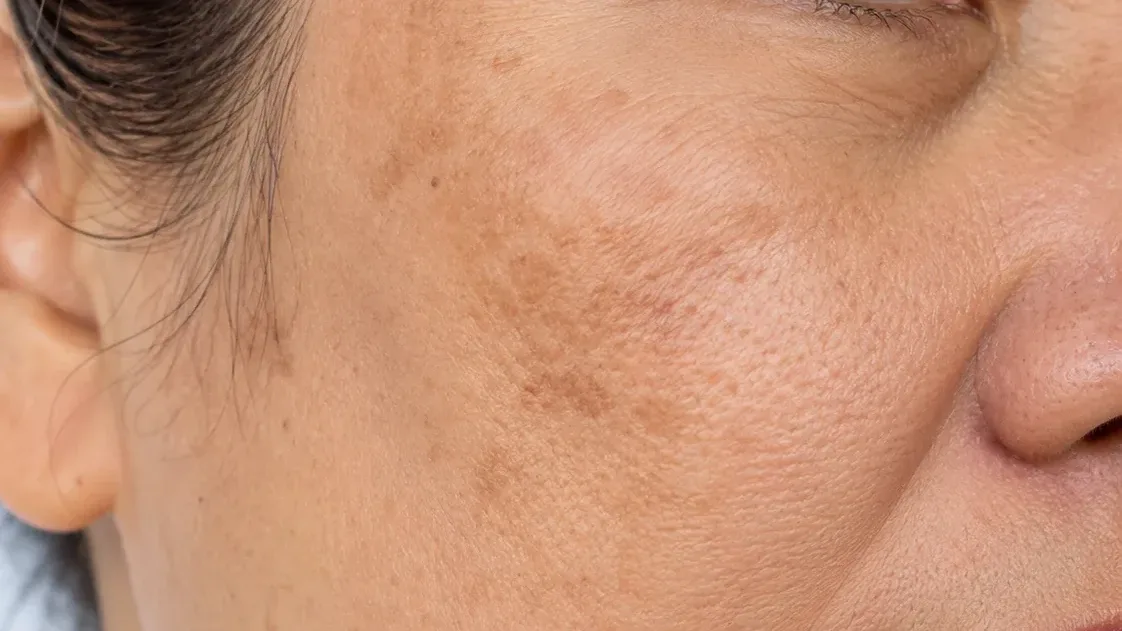
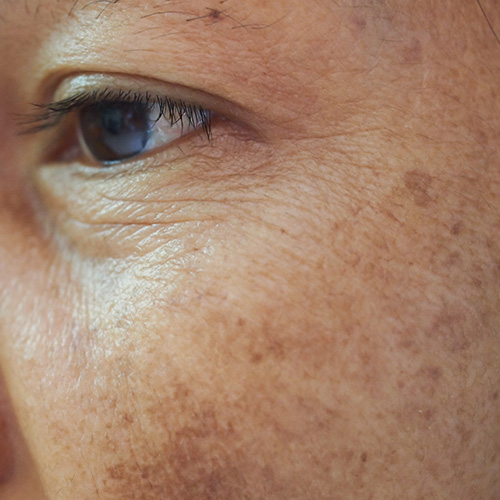
Age spots, also called sun spots, solar lentigines or liver spots, are flat brown patches that surface on the areas exposed to daylight year after year: the face, the backs of the hands, the chest and the shoulders. They are collections of melanin that pigment cells have deposited unevenly after repeated ultraviolet exposure.

They are not dangerous in themselves, but they are a visible record of accumulated sun exposure and they often appear alongside other signs of photoaging such as dullness, rough texture, broken capillaries and fine lines. Any spot that changes shape, colour or size, or that bleeds or itches, should be assessed by a physician before cosmetic treatment.

How Sun Damage Develops Over Time

Ultraviolet light penetrates the skin and triggers melanocytes to produce melanin as a protective response. A single summer of exposure rarely leaves a mark, but decades of daily incidental exposure—from commuting, gardening, and walking the dog—gradually overwhelm the skin's repair capacity. Melanin production becomes patchy, and clusters remain long after the exposure has ended.

UVA also degrades collagen and elastin in the deeper dermis, which is why sun-damaged skin often looks crepey and loses bounce at the same time as it darkens. Damage below the surface almost always precedes the spot you can see, which is why treatment plans address tone and texture together.

Prevention: The Role of Sunscreen

Every treatment for pigmentation is undone by unprotected exposure, so daily broad-spectrum SPF 30 or higher is the foundation, not an optional extra. Mineral filters containing zinc oxide or titanium dioxide are our usual recommendation for pigment-prone skin because they also help shield against some visible light, which can drive pigmentation in deeper skin tones.

Reapply through the day when you are outdoors, and add physical shade: a wide-brimmed hat, UV-filtering sunglasses and long sleeves do more than any single product. Antioxidant serums such as vitamin C worn under sunscreen add a further layer of defence against free-radical damage.

Our Approach to Treating Sun Damage

Your consultation begins with an assessment of your skin type, the depth of pigment and any medical history that changes what is safe, including medications, pregnancy and recent sun exposure. Superficial pigment responds well to gentler resurfacing, while mixed or deeper pigment usually needs a layered plan.

Depending on your skin, we may use intense pulsed light or laser to break up pigment, chemical peels to accelerate cell turnover, or microneedling to renew texture at the same time. Prescription topicals and medical-grade brightening agents support the in-clinic work and reduce the chance of pigment returning.

Realistic Expectations and Treatment Timeline

Most people need a short series rather than a single visit. Pigment typically darkens for a few days after light-based treatment, then lifts and flakes away over roughly one to two weeks. Visible clearing after a full series is common, but pigmentation is a chronic tendency, not a one-time event.

Deeper or hormonally driven pigmentation such as melasma behaves differently and is treated more conservatively to avoid rebound. Your clinician will tell you at consultation which pattern your skin shows and what a realistic outcome looks like for you.

Maintaining Results with Home Care

Results hold when home care continues. A simple routine of daily sunscreen, a nightly retinoid where tolerated, and a targeted brightening agent keeps new pigment from settling and supports the collagen renewal started in clinic.

Many patients book a maintenance session once or twice a year, usually in autumn or winter when sun exposure is lower. We will build the schedule with you rather than leaving it open-ended.

Treatment options

How we treat age spots & sun damage

FAQ

Everything you need to know.

Some improvement, such as treated spots darkening and flaking off, may be visible within 1-2 weeks. Optimal results develop over 2-3 months with a complete treatment series and consistent home care. Individual results can vary based on the type and depth of pigmentation.

Yes, many treatments are safe for darker skin tones. However, some laser treatments carry a higher risk of post-inflammatory hyperpigmentation. During your consultation, we will assess your specific skin type and recommend the safest and most effective approach for your complexion to minimize risks.

Treatment is possible year-round, but fall and winter are generally ideal as UV exposure is naturally lower. If undergoing treatment in summer, strict sun avoidance, including diligent use of broad-spectrum SPF 50 and protective clothing, is essential to prevent new pigmentation and protect healing skin.

Age spots are discrete, defined patches caused by UV damage. Melasma presents as larger, diffuse patches often triggered by hormones and exacerbated by sun and heat. Melasma treatment requires a gentler, more gradual approach to avoid rebound darkening, and we offer specialized solutions for this concern.

Treated spots are permanently removed. However, continued unprotected sun exposure will trigger new pigmentation. Consistent daily sun protection, along with periodic maintenance treatments and a supportive home care routine, is crucial to prevent recurrence and sustain your results over time.

Begin with a complimentary skin consult.

Rejuvenate your inbox

First dibs on promotions, new services and skin intel.

By subscribing you agree to receive marketing emails from Skinfolio.

Skinfolio
© 2026 Skinfolio. All rights reserved.Privacy Policy