Your skin, decoded.
Shop

Dehydrated & Dry Skin

Dull, tight, uncomfortable skin is one of the most common concerns we see at Skinfolio, yet it is also one of the most misunderstood. Many people assume their skin type is "dry" when it is actually dehydrated, leading them to use the wrong products and treatments. Understanding the difference is the first step toward achieving healthy, glowing, properly hydrated skin.
Dehydrated & Dry Skin — condition
Dehydrated & Dry Skin — in clinic
Understanding it

A closer look at dehydrated & dry skin.

Dehydration vs. Dryness Explained

These terms are often used interchangeably, but they describe two distinct conditions that require different approaches. Dehydration (lack of water) is a temporary condition caused by insufficient water content in the skin. Any skin type can become dehydrated, including oily and combination skin. It's caused by external factors (weather, products, lifestyle) and can be corrected with proper hydration. You can often tell if your skin is dehydrated by performing the pinch test: pinch one of your cheeks gently. If it wrinkles with gentle pressure instead of holding its shape, your skin is likely dehydrated.

Dryness (lack of oil) is a skin type determined by genetics. Dry skin produces less sebum than other skin types, meaning the skin barrier lacks the lipids needed to retain moisture and protect against external irritants. Dry skin is a permanent characteristic that requires ongoing management with lipid-rich products. Many people have both conditions simultaneously: dry skin that is also dehydrated. This combination requires a layered approach addressing both water and oil needs.

Recognizing Signs of Dehydrated Skin

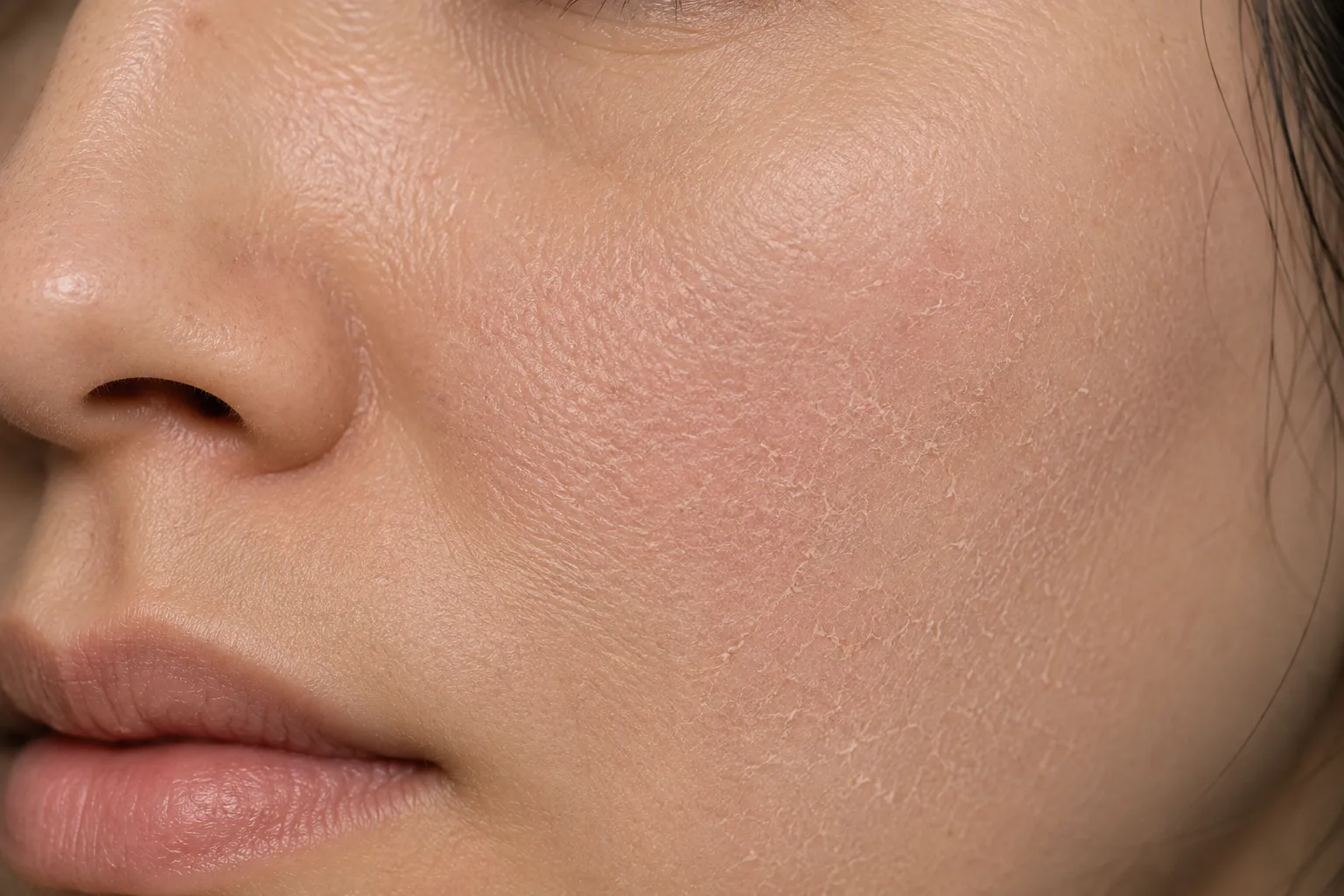
Dehydrated skin can manifest in several ways, often making the complexion appear tired or unhealthy. A key sign is dullness, where the skin lacks luminosity and cannot reflect light properly. You might also notice fine lines – tiny, crepey surface lines that differ from true wrinkles and often appear on the cheeks or under the eyes, disappearing with proper hydration.

A common symptom is tightness, an uncomfortable feeling after cleansing, as if the skin is pulling. Dehydrated skin also often exhibits increased sensitivity due to a compromised barrier, leading to stinging or irritation from products. Other indicators include skin that looks dull even with a good routine, makeup that doesn't sit well, oily patches combined with tight areas, and a rough, uneven texture.

Causes & Contributing Factors

Various factors can contribute to skin dehydration. Environmental elements such as harsh weather, wind, low humidity, air conditioning, indoor heating, and sun exposure all strip moisture and damage the skin barrier. Over-cleansing with stripping products, excessive exfoliation, and hot water can also compromise the skin’s protective layer, increasing transepidermal water loss.

Aging naturally leads to a decline in hyaluronic acid production, a molecule vital for holding water in the skin. Lifestyle choices like inadequate water intake, alcohol, caffeine, smoking, poor diet, and lack of sleep can further exacerbate dehydration. Certain medications, including retinoids and diuretics, may also play a role. Finally, a compromised skin barrier from conditions like eczema or rosacea prevents effective moisture retention.

Vancouver Climate Considerations

Vancouver's climate, despite its reputation for rain, presents unique challenges for skin hydration. Seasonal variations are key: winter brings drastically reduced indoor humidity from heating, while summer sun exposure increases water loss. Temperature fluctuations between indoor and outdoor environments stress the skin barrier. Coastal winds can also be particularly drying.

There's a common misconception, the "rain paradox", where many assume external humidity directly hydrates the skin. However, the water in the air does not readily penetrate the skin barrier. Factors like indoor heating, cleansing habits, and lifestyle choices are often more influential in skin hydration, regardless of outdoor conditions. Seasonal adjustments, such as focusing on barrier repair in winter and lightweight hydrating serums in summer, are therefore crucial.

Prevention Strategies and Daily Habits

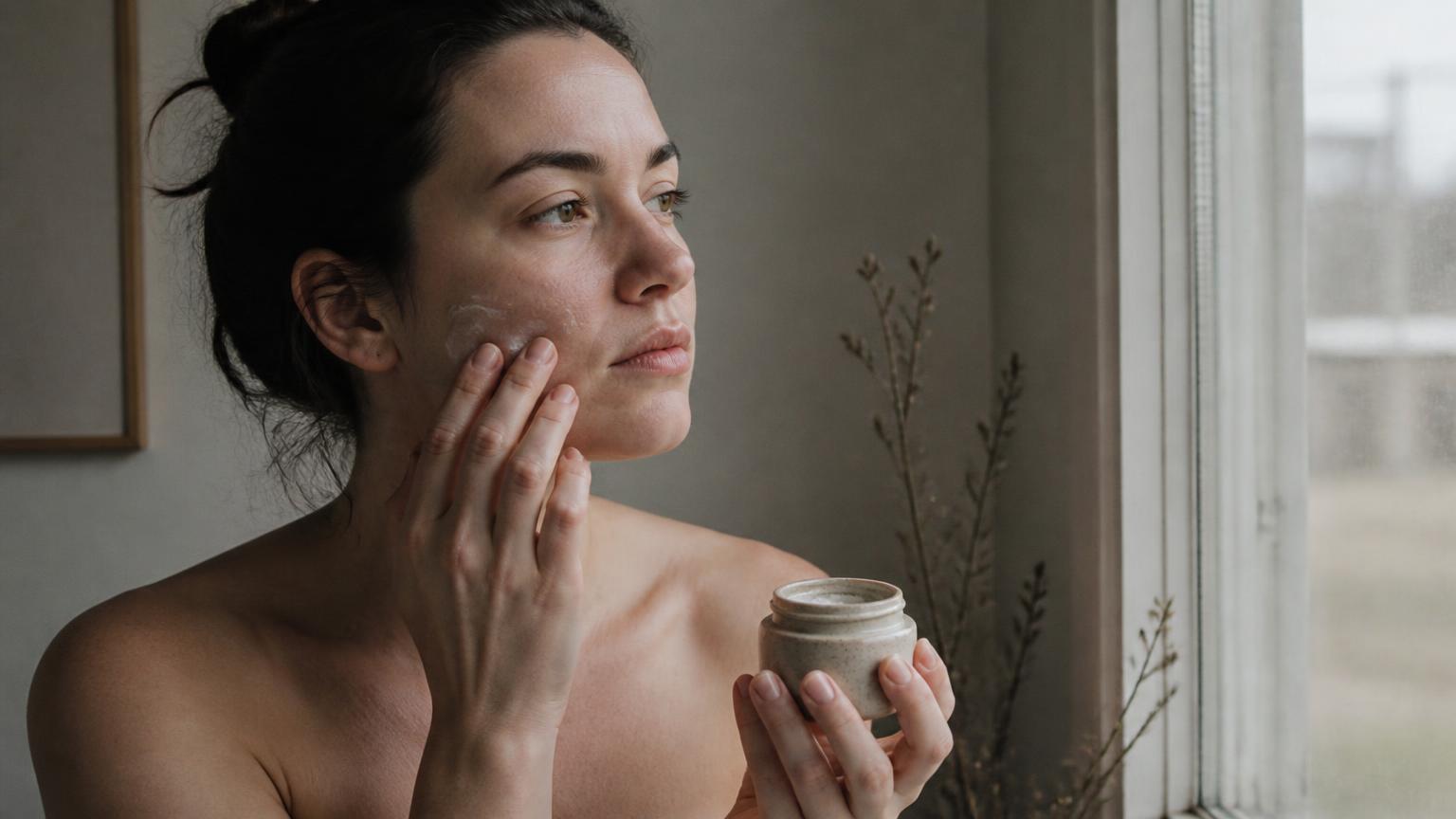
Effective prevention of dehydrated and dry skin involves a multi-faceted approach. Use a gentle, non-stripping cleanser with lukewarm water once or twice daily. Layer hydration by applying products from thinnest to thickest, starting with hydrating toners or essences, followed by serums and then moisturizers, ideally on slightly damp skin.

Protect the skin barrier by avoiding over-exfoliation and limiting harsh active ingredients if sensitivity occurs. Incorporate products with ceramides and fatty acids. Consider using a humidifier, especially during winter, to counteract indoor drying. Maintain internal hydration by drinking adequate water, and always use daily sun protection to prevent UV damage, which compromises the skin barrier. Remember to adjust your skincare routine seasonally to meet changing needs.

Our Professional Treatment Approach

Professional treatments can significantly accelerate hydration restoration and address the underlying causes of chronic dehydration and dryness. Our goal is to replenish water content, support the skin's natural hyaluronic acid production, and restore optimal barrier function.

For instance, EXION is a non-invasive treatment that uses ultrasound and radiofrequency to stimulate the body's natural production of collagen, elastin, and hyaluronic acid, addressing the root cause of declining HA levels. The Liquid Facial provides deep, intensive hydration and barrier support for an immediate boost, while the Glow Peel offers gentle exfoliation to enhance product absorption and improve texture, even for sensitive, dehydrated skin. This layered approach ensures comprehensive care for lasting improvement.

Realistic Expectations & Timelines

Restoring skin hydration and barrier function is a process that requires consistency, both at home and with professional treatments. You can often see an initial improvement in surface hydration within a few days of starting a proper routine. However, fully restoring a compromised barrier and addressing chronic dehydration typically takes 4 to 8 weeks of consistent, targeted care.

Our recommended treatment protocol begins with an immediate hydration boost using a Liquid Facial to calm compromised skin. This is followed by treatments like EXION to rebuild internal hydration, with ongoing maintenance sessions and a consistent home care routine tailored to seasonal changes. Long-term results depend on adherence to this comprehensive strategy, ensuring sustained improvement in skin health and hydration.

Home Care Principles for Hydrated Skin

Proper home care is paramount for maintaining the results of professional treatments. A strategic layering approach is most effective for dehydrated and dry skin. Start with humectants, like hyaluronic acid or vitamin B5, which attract water from the environment and deeper skin layers to the surface. Apply these to slightly damp skin to maximize their effect. Examples include oil-free hydrating gels or corrective serums designed to amplify skin’s natural hyaluronic acid levels.

Follow with occlusives, which create a protective barrier on the skin's surface to prevent transepidermal water loss. These ingredients, such as ceramides, cholesterol, and fatty acids, seal in moisture and support the skin's external barrier. Rich moisturizers containing optimal lipid ratios are ideal for repairing and maintaining barrier function, providing nourishing yet comfortable hydration for daily use.

Get the facts

Extreme weather and indoor heating strip natural moisture and damage your skin barrier.

Harsh soaps and over exfoliating remove essential oils that keep your skin hydrated.

Hot water dissolves the natural protective layer that helps your skin retain water.

Natural moisture levels decrease as you age because your body produces less hyaluronic acid.

Diet and lifestyle choices like caffeine and alcohol consumption can lead to systemic dehydration.

Common medications including retinoids and acne treatments often cause increased skin dryness.

Available at
Take the next step

Treating dehydrated & dry skin

Your Skinfolio expert will assess your skin and design a personalised plan at your complimentary consult.

Treatment options

How we treat dehydrated & dry skin

FAQ

Everything you need to know.

For sensitive, dehydrated skin, we often recommend the Liquid Facial for gentle hydration and soothing, or the Glow Peel for mild exfoliation without irritation. EXION is also suitable as it's non-invasive and stimulates your skin's natural processes, avoiding harsh ingredients. We always conduct a thorough skin assessment to recommend the most appropriate and gentle options.

Contraindications vary by treatment. Generally, severe active infections, certain skin conditions, or specific medical implants may be contraindications for some procedures. During your consultation, please disclose your full medical history, medications, and any recent skin treatments so we can ensure your safety and determine the best approach.

Many treatments are not recommended during pregnancy or breastfeeding due to safety considerations. However, certain gentle options like specific hydrating facials might be permissible with your doctor's approval. Please inform us if you are pregnant or breastfeeding during your consultation so we can recommend safe and appropriate options.

Choosing the right treatment depends on your specific concerns, skin condition, and goals. We offer a consultation to assess your skin, discuss your lifestyle, and understand your expectations. Based on this, we'll recommend a personalized treatment plan, explaining the benefits of each option and how they work together to achieve optimal hydration and skin health.

The longevity of results varies depending on the treatment and your skin's condition. Treatments like EXION offer progressive, longer-lasting benefits as they stimulate your skin's natural processes. Facials provide immediate hydration, which can last weeks. Consistent home care and regular maintenance treatments are key to extending and optimizing your results over time.

Many hydration treatments can be safely combined with other aesthetic procedures, though timing and order are important. We can create a comprehensive plan that integrates different treatments, ensuring they complement each other without compromising skin integrity. During your consultation, please mention any other treatments you are considering.

Begin with a complimentary skin consult.

Rejuvenate your inbox

First dibs on promotions, new services and skin intel.

By subscribing you agree to receive marketing emails from Skinfolio.

Skinfolio
© 2026 Skinfolio. All rights reserved.Privacy Policy