Your skin, decoded.
Shop

Post-Inflammatory Hyperpigmentation

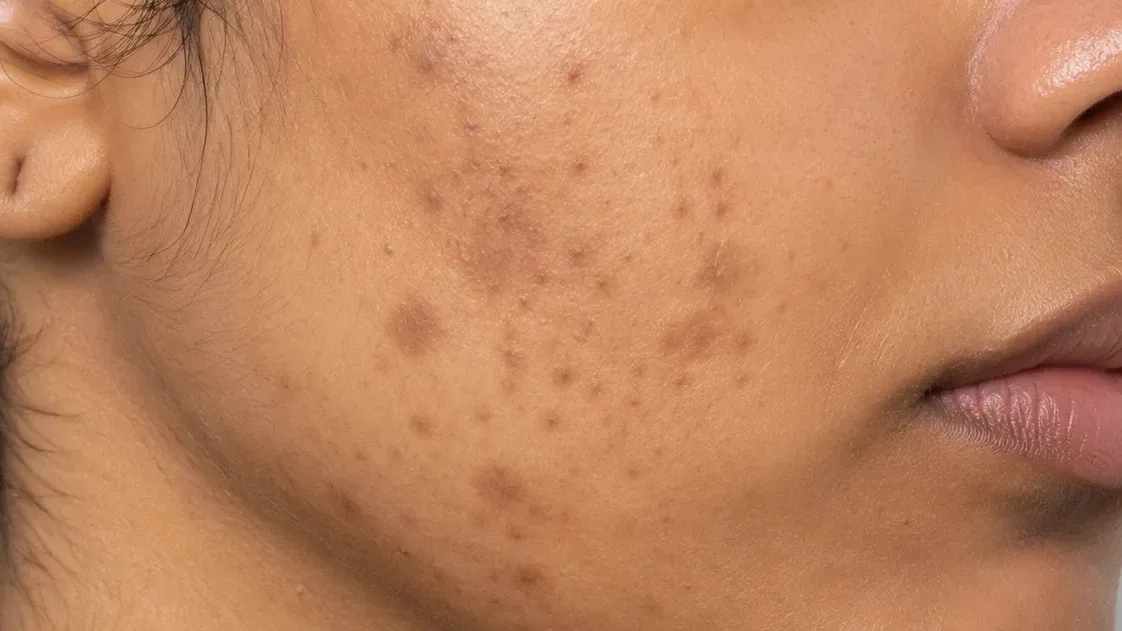
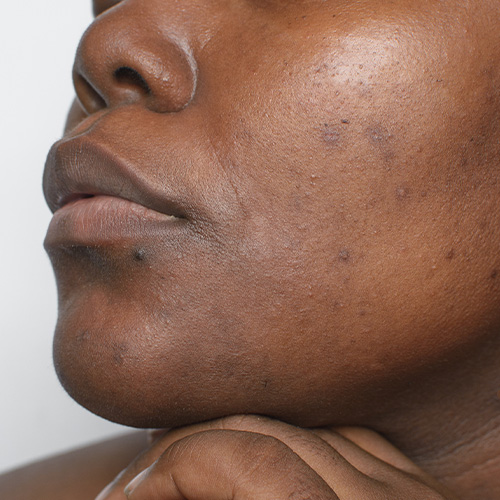
Those stubborn marks left behind after acne heals? They're not scars—they're post-inflammatory pigmentation, and they're one of the most common concerns we treat at Skinfolio. Understanding whether you have PIH or PIE determines the most effective treatment approach.
Post-Inflammatory Hyperpigmentation — condition
Post-Inflammatory Hyperpigmentation — in clinic
Understanding it

A closer look at post-inflammatory hyperpigmentation.

Understanding Post-Inflammatory Marks

Post-inflammatory marks are common skin responses to inflammation, typically appearing after acne, injury, or aggressive treatments. These marks can significantly impact skin appearance, even after the initial issue has resolved. They are broadly categorized into two types: Post-Inflammatory Hyperpigmentation (PIH) and Post-Inflammatory Erythema (PIE), each requiring a distinct approach for effective resolution.

PIH: Brown Marks from Excess Melanin

When skin experiences inflammation, melanocytes can overproduce melanin, depositing it in the affected area. This results in flat, brown, tan, or dark spots. These marks do not blanch when pressed and can persist for months to years without intervention. PIH is often more prominent and persistent in individuals with darker skin tones (Fitzpatrick types III-VI), where excess melanin production is more easily triggered.

PIE: Red/Pink Marks from Damaged Vessels

PIE manifests as flat, pink, red, or purple marks due to damaged or dilated blood vessels beneath the skin's surface. Unlike PIH, these marks are not caused by pigment; they are vascular in nature and will momentarily blanch (turn white) when gently pressed. PIE is more commonly observed in individuals with lighter skin tones (Fitzpatrick types I-III) and can often be mistaken for active acne or early scarring due to its reddish appearance.

Common Triggers and Exacerbating Factors

Acne is the most frequent cause for both PIH and PIE, as inflammatory lesions like papules and cysts initiate the skin's healing response. Other triggers include skin injuries such as cuts, burns, insect bites, and friction. Aggressive skincare treatments, if not appropriately selected, can also induce inflammation and lead to these marks. Picking or squeezing blemishes significantly intensifies inflammation and tissue damage, dramatically increasing the risk and severity of post-inflammatory marks.

Effective Prevention Strategies

  • Address active acne promptly to minimize the duration and intensity of inflammation.

  • Refrain from picking or squeezing any breakouts or skin lesions.

  • Consistently use broad-spectrum SPF 30 or higher daily, as UV exposure darkens PIH and impedes the healing process for both types.

  • Incorporate anti-inflammatory skincare ingredients to calm active skin conditions.

  • Avoid overly aggressive treatments that could trigger more inflammation.

  • Allow adequate time for skin healing, as rushing treatments can sometimes lead to additional marks.

Tailored Treatment Approaches

Treating PIH and PIE requires different strategies due to their distinct underlying causes. For PIH, the focus is on targeting and breaking down excess melanin, accelerating cell turnover, and inhibiting further pigment production. For PIE, treatments aim to reduce redness by addressing damaged blood vessels and calming inflammation. A thorough consultation helps determine the most appropriate and effective treatment plan based on the type, severity, and skin characteristics.

Realistic Expectations and Timelines

Patience is crucial when treating post-inflammatory marks, as resolution can take significant time. PIE generally fades more quickly than PIH, often improving within 3-12 months with consistent care. PIH, especially in darker skin tones or when pigment is deep, can be more persistent, requiring 6-18 months for substantial improvement. Treatments accelerate healing but provide cumulative results rather than overnight changes. Diligent sun protection is non-negotiable, as even brief unprotected sun exposure can prolong healing.

Get the facts

Acne is the most common cause of these marks because the healing process often leaves lingering discoloration.

Common skin injuries like cuts, burns, and insect bites can trigger dark spots as the skin repairs itself.

Overly aggressive skin treatments may cause new pigmentation if they create too much inflammation.

Picking or squeezing blemishes increases the risk of long lasting marks by damaging the surrounding tissue.

Available at
Take the next step

Treating post-inflammatory hyperpigmentation

Your Skinfolio expert will assess your skin and design a personalised plan at your complimentary consult.

Treatment options

How we treat post-inflammatory hyperpigmentation

FAQ

Everything you need to know.

Many treatments are not suitable during pregnancy or breastfeeding due to potential risks. However, there are typically safe alternatives or modifications available. It is essential to disclose your pregnancy or breastfeeding status during your consultation so we can recommend appropriate and safe options.

Yes, treatments can be tailored for all skin tones and types. However, darker skin tones require careful selection of modalities, as some lasers or peels carry a higher risk of post-inflammatory hyperpigmentation. We prioritize treatments that are safe and effective for your specific Fitzpatrick skin type, such as MandeliClear Peel or specific laser settings.

Results vary depending on the severity and type of mark, as well as the chosen treatment. Most treatments require a series of sessions, and improvement is gradual. You can expect to start seeing noticeable changes after a few weeks to a few months, with continued improvement over time as treatments progress.

Treated marks should not 'come back' if fully resolved. However, new marks can form if the underlying cause, such as acne, recurs or if skin is re-injured or exposed to excessive sun without protection. Maintaining a consistent skincare routine, managing breakouts, and diligent sun protection are key to long-term clearance.

To support your in-clinic treatments, consistently use a broad-spectrum SPF 30+ daily. Incorporate gentle, physician-recommended skincare products containing ingredients like vitamin C, niacinamide, or gentle retinoids. Avoid harsh exfoliants or picking at your skin, and always follow post-treatment care instructions carefully.

Begin with a complimentary skin consult.

Rejuvenate your inbox

First dibs on promotions, new services and skin intel.

By subscribing you agree to receive marketing emails from Skinfolio.

Skinfolio
© 2026 Skinfolio. All rights reserved.Privacy Policy