Your skin, decoded.
Shop

Redness & Rosacea

Persistent facial redness—whether from rosacea or general sensitivity—can be one of the most visible and frustrating skin concerns. At Skinfolio, we take a careful, measured approach to treating redness, understanding that aggressive treatments often make the condition worse.
Redness & Rosacea — condition
Redness & Rosacea — in clinic
Understanding it

A closer look at redness & rosacea.

What is Rosacea?

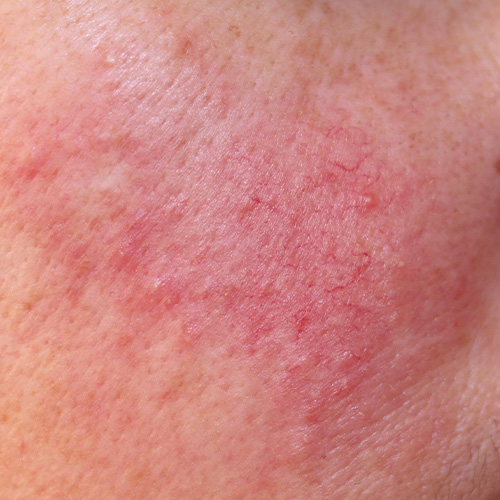
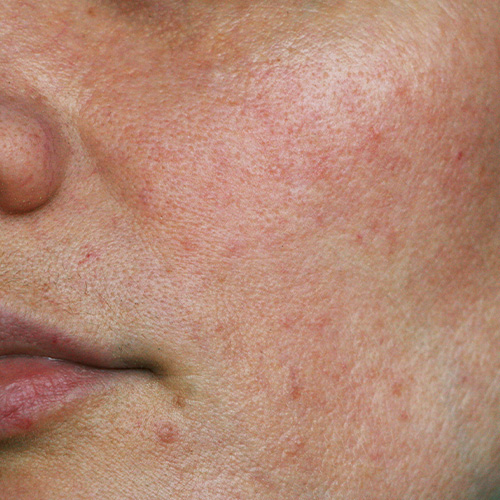
Rosacea is a chronic inflammatory skin condition primarily affecting the central face, cheeks, nose, chin, and forehead. It typically begins after age 30, commonly in fair-skinned individuals, but can affect all skin types. Rosacea is characterized by episodes of flushing that progressively worsen, leading to persistent redness, visible blood vessels (telangiectasia), and sometimes acne-like bumps. It is a medical diagnosis, not simply sensitive skin or occasional flushing. A proper assessment is crucial if you suspect you have rosacea, as treatment approaches differ from other forms of redness.

Understanding Rosacea Types

Rosacea presents in several forms. Erythematotelangiectatic rosacea (ETR) is the most common, featuring persistent central facial redness, flushing, and visible blood vessels, often accompanied by sensitivity, stinging, or burning. Papulopustular rosacea involves redness with acne-like breakouts (papules and pustules) but lacks blackheads and focuses on the central face. Phymatous rosacea causes skin thickening and irregular texture, most often on the nose (rhinophyma), and is more common in men. Finally, ocular rosacea affects the eyes, causing redness, irritation, and a gritty sensation, and can occur with or without skin symptoms.

Redness vs. Rosacea: Getting the Right Diagnosis

Not all facial redness indicates rosacea. Redness can arise from various causes, including sensitive or reactive skin (temporary flushing), contact dermatitis (reaction to irritants), seborrheic dermatitis (redness with flaking), allergic reactions, or post-inflammatory erythema (PIE) after acne or injury. Distinguishing between these conditions is vital because each requires a different treatment strategy. An in-depth consultation with our skincare experts can identify the specific cause of your redness and guide you toward the most appropriate and effective care plan.

Identifying Common Triggers

Rosacea triggers vary greatly among individuals, yet some are frequently cited. These include sudden temperature changes, hot showers, saunas, and heated rooms. Dietary triggers often involve spicy foods and alcohol, particularly red wine, known for its vasodilating effects. Emotional stress is a significant factor for many, alongside certain skincare ingredients such as fragrances, alcohol, and harsh exfoliants. Sun exposure, hot beverages, and intense exercise can also provoke flare-ups by increasing body temperature and blood vessel dilation. Identifying your personal triggers is key to effective management.

Our Approach to Rosacea Treatment

Addressing rosacea and chronic redness requires a gentle, strategic, and sustained approach. Our primary goal is to effectively reduce visible redness and vascular damage without inducing inflammation that could exacerbate the condition. This involves a comprehensive strategy that combines identifying and avoiding personal triggers, adopting a gentle and rosacea-appropriate skincare routine, and implementing professional treatments specifically designed to target blood vessels and inflammation. We focus on ongoing management to help achieve lasting results, rather than offering short-term solutions.

Daily Skincare and Lifestyle Habits

Effective rosacea management extends to your daily habits. Protect your skin from temperature extremes, whether from hot showers or cold weather, and manage stress through techniques like meditation or adequate sleep. When exercising, opt for cooler environments or take breaks to cool down. If spicy foods or alcohol are known triggers, consider limiting or avoiding them. For skincare, cleanse gently with lukewarm water and fragrance-free cleansers. Prioritize hydrating, barrier-supportive products and use daily broad-spectrum SPF 30+ (mineral sunscreens are often better tolerated). Ingredients like niacinamide and azelaic acid can help calm inflammation.

Products and Ingredients to Avoid

Certain products and ingredients can significantly worsen rosacea. Fragrance is a common irritant, as are alcohol-based products, which can be drying and irritating. Harsh exfoliants, such as physical scrubs and high-concentration acids, should be avoided. While retinoids can be beneficial for other conditions, they are often too irritating for rosacea-prone skin initially and should only be introduced very gradually once skin is stable. Ingredients like menthol, eucalyptus, peppermint, and witch hazel, despite being marketed as soothing, can irritate rosacea skin. Aggressive laser treatments with high heat settings can trigger flares, so careful settings are essential.

Get the facts

The most common type causes lasting facial redness, flushing, and visible blood vessels on sensitive skin.

Acne like bumps and breakouts can appear on the face without the blackheads found in typical acne.

Some people experience skin thickening or an irregular texture that most often affects the nose.

Symptoms can involve the eyes and lead to irritation, swollen lids, or a gritty feeling.

Individual triggers like spicy foods and alcohol often cause blood vessels to dilate and redness to flare.

Sudden temperature changes and hot environments are frequent causes of flushing for many patients.

Available at
Take the next step

Treating redness & rosacea

Your Skinfolio expert will assess your skin and design a personalised plan at your complimentary consult.

Treatment options

How we treat redness & rosacea

FAQ

Everything you need to know.

Rosacea is a chronic condition that can be effectively managed but not cured. With proper treatment and consistent trigger avoidance, many patients achieve significant improvement and experience long periods without flares. Our goal is to provide lasting relief and control.

The number of treatments varies by individual and the severity of rosacea. For vascular redness, most patients see improvement after 3-5 IPL Photofacial sessions. Rosacea management is ongoing, so maintenance treatments, often every 6-12 months, may be recommended to preserve results.

Yes, laser treatments like IPL Photofacial are safe for rosacea when performed by experienced providers using appropriate settings. We use gentler parameters specifically designed for rosacea-prone skin to minimize heat and avoid triggering inflammation, ensuring comfort and efficacy.

If you are pregnant or breastfeeding, please inform your provider during your consultation. We will discuss suitable treatment options and skincare recommendations that are safe for both you and your baby, prioritizing your well-being throughout this period.

Combining treatments can be beneficial, but it depends on your specific skin condition and goals. During your consultation, we can create a customized treatment plan that may integrate various procedures like IPL Photofacial or Liquid Facial, ensuring they complement each other safely and effectively.

Begin with a complimentary skin consult.

Rejuvenate your inbox

First dibs on promotions, new services and skin intel.

By subscribing you agree to receive marketing emails from Skinfolio.

Skinfolio
© 2026 Skinfolio. All rights reserved.Privacy Policy